Insights · 14 October 2026
People, Processes and Pharmaceutical Manufacturing
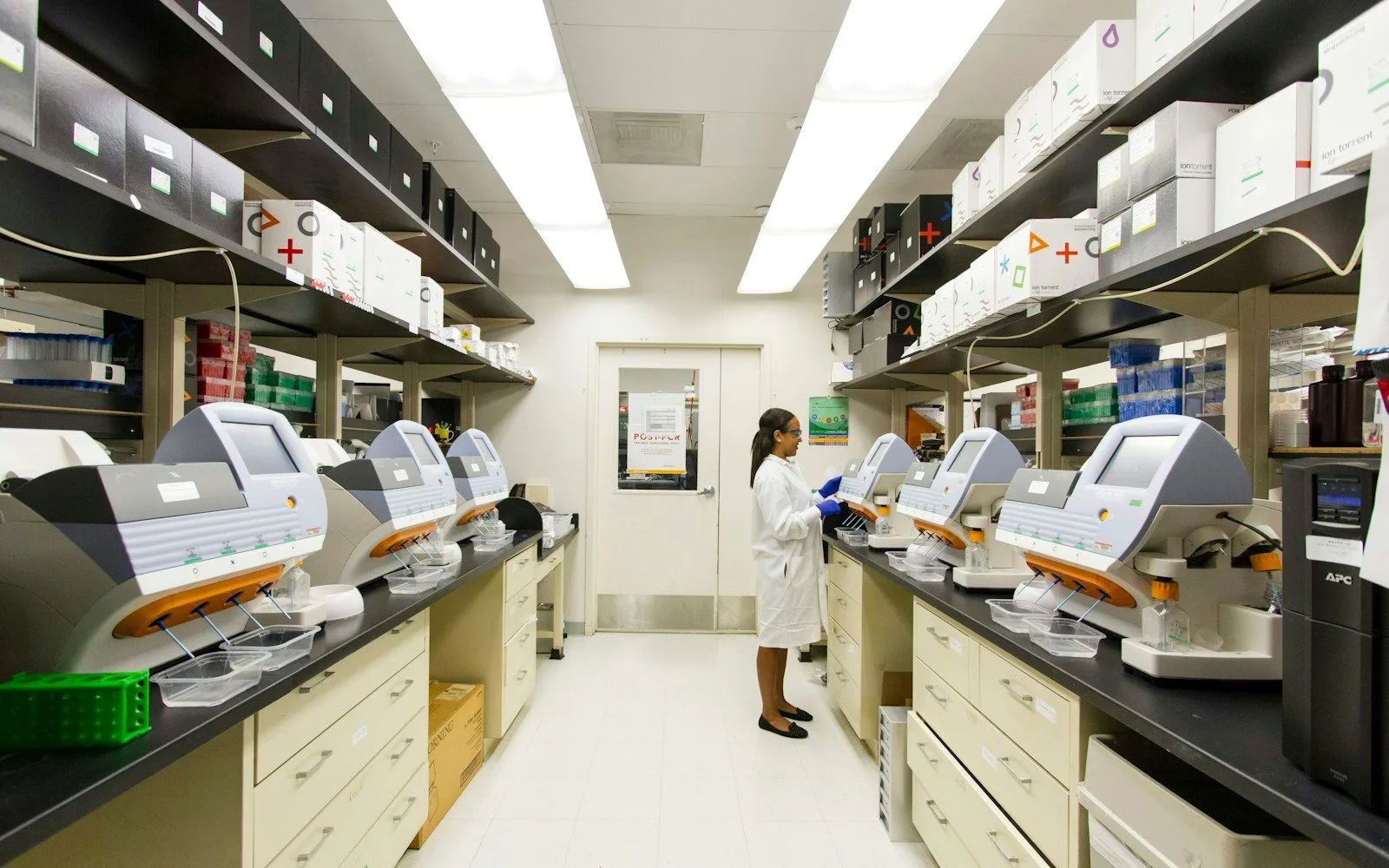
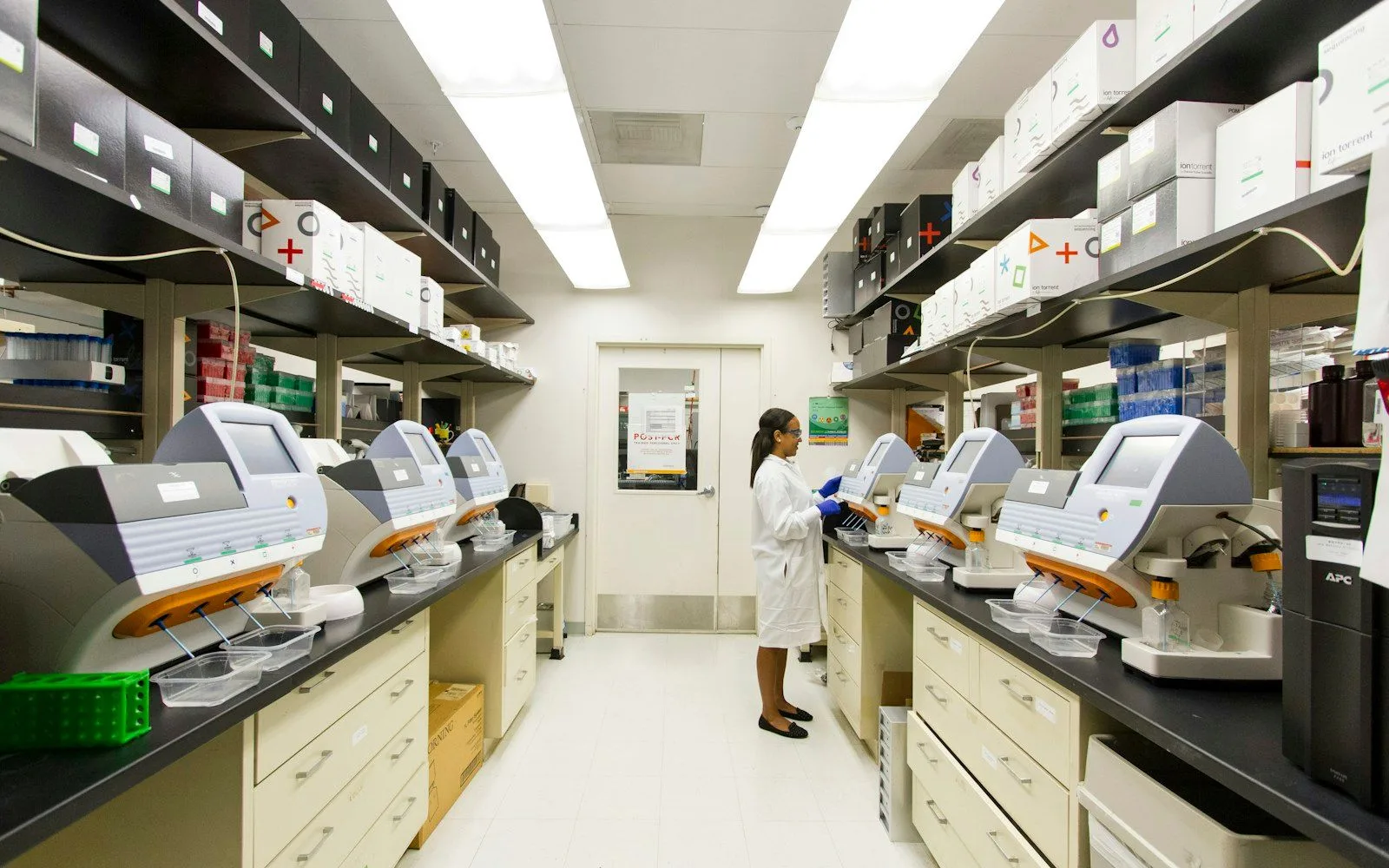
Pharmaceutical manufacturing brings people, materials, equipment and records into a coordinated working environment. This draft looks at that relationship in general terms. It does not represent a tour of Chris-Ejik facilities or imply a manufacturing capacity or technical specification.
DRAFT / SAMPLE — fictional editorial content for private design review. Replace with approved content before publication.
Pharmaceutical manufacturing brings people, materials, equipment and records into a coordinated working environment. This draft looks at that relationship in general terms. It does not represent a tour of Chris-Ejik facilities or imply a manufacturing capacity or technical specification.
Preparing work with care
Planning begins with understanding the activity, its responsibilities and the controls that apply. Before work proceeds, the relevant information should be available to the people carrying it out. Clear communication reduces the chance that a team acts on an outdated instruction or assumes that a prerequisite has already been completed.
Maintaining continuity between stages
Handovers should make the status of work visible. Records can identify what has happened, what is still required and who is responsible for the next step. Review and escalation processes help teams address questions before moving forward, while avoiding assumptions about product quality or suitability.
Questions for a real editorial review
- Which details are confirmed and which still require approval?
- Who should review technical or sector-specific statements?
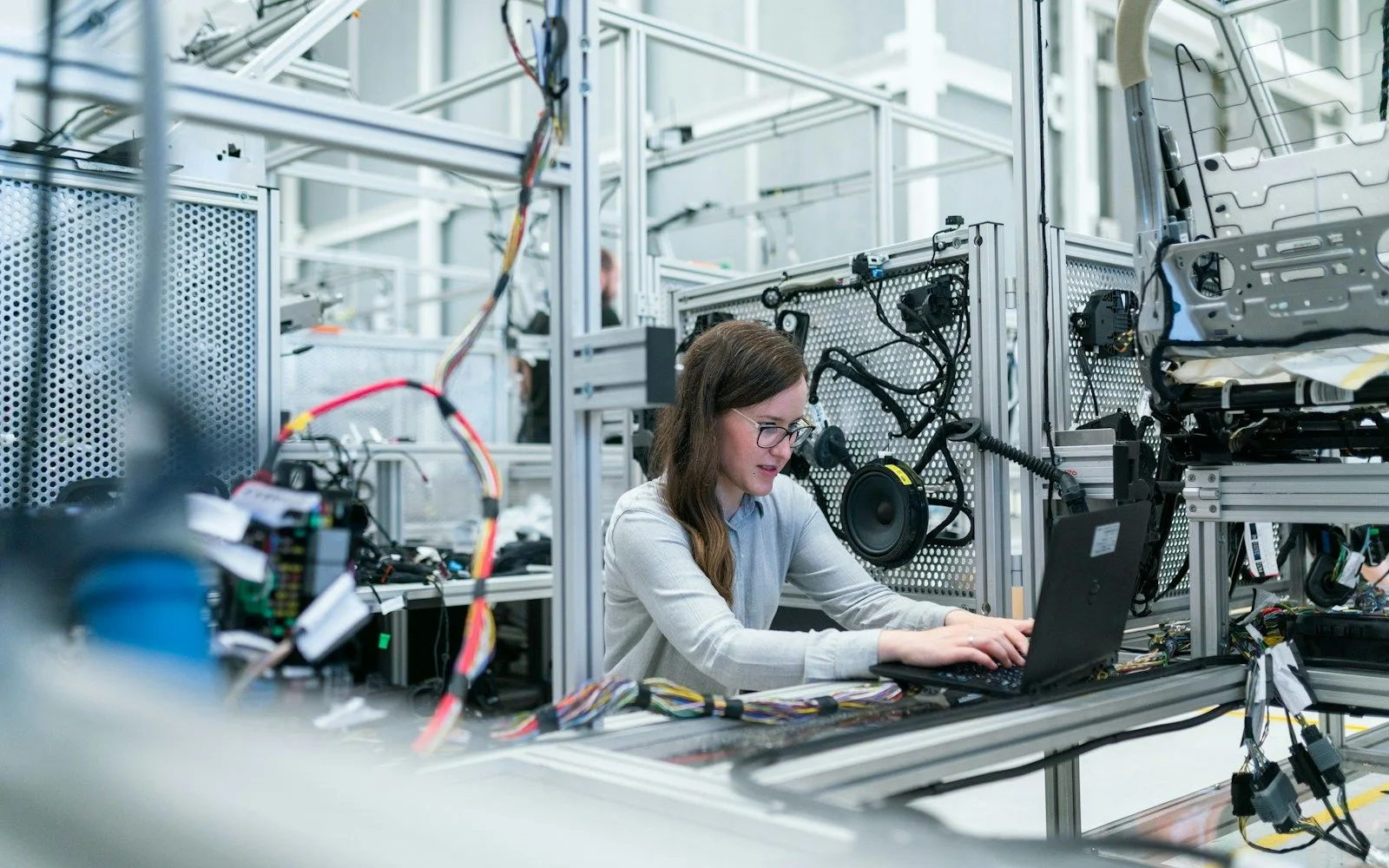
- Does the imagery describe the subject without implying actual company work?
Before this draft becomes a public article, the relevant team should confirm its purpose, sources and terminology. Any description of company operations, achievements or outcomes should be supported by approved material. The sample date is a review placeholder, not the date of a company event.